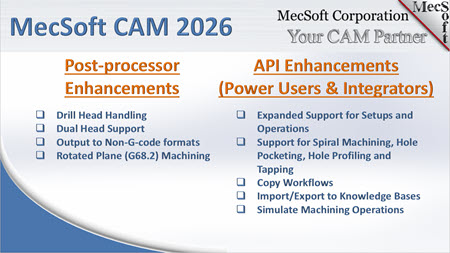
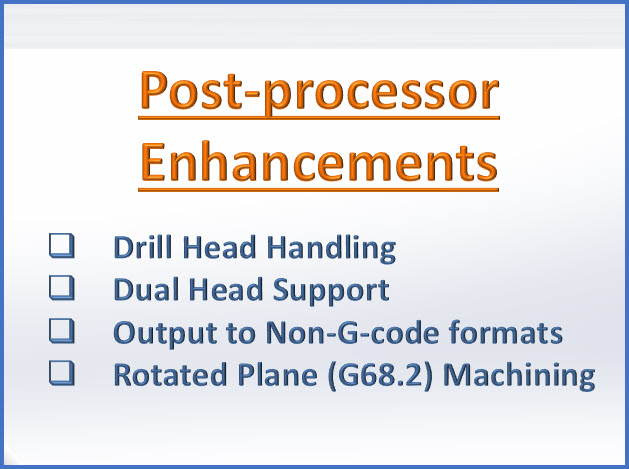
 The post-processor is the final, critical link in the CAM chain. It translates the "universal" language of toolpaths into the highly specific G-code (or proprietary language) that your unique CNC machine understands. While out-of-the-box post-processors work for many of the standard machines, high-end, multi-head, or proprietary woodworking machines have always required complex, custom-coded solutions.
Contents
1. Advanced 5-Axis Indexing (G68.2)
2. Supporting Dual-Head & Drill Banks
Beyond G-Code: Proprietary Language Support
Why This Matters for Your Shop
Watch the full deep-dive into Post-Processor Enhancements
Introduction
In our latest 2026 release webinar, MecSoft Corporation detailed how the Python-based Post-Processor has been supercharged to handle the most advanced machining scenarios in the industry.
The Power of the Python Post
Introduced in recent versions, the Python post-processor has moved from a "new feature" to the backbone of our advanced machine support. By leveraging Python’s programming flexibility, we can now handle "event-driven" scenarios that traditional post-processors simply couldn't touch.
1. Advanced 5-Axis Indexing (G68.2)
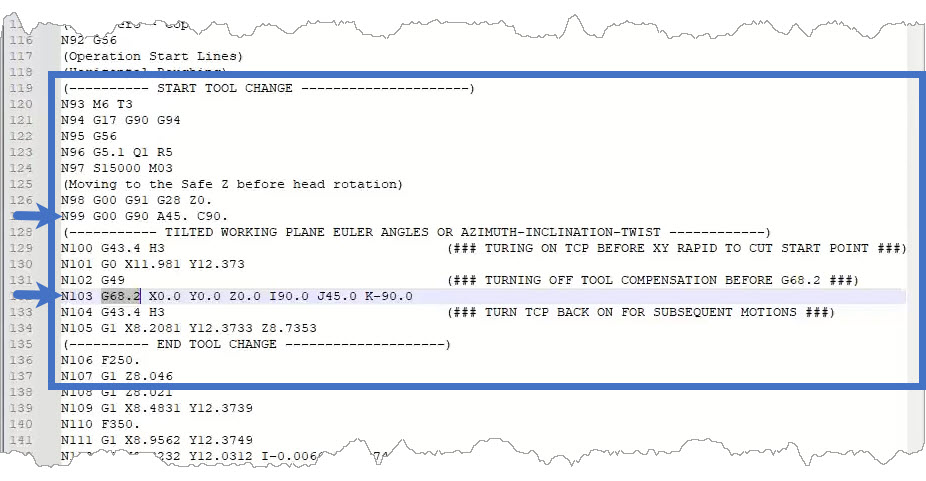
For users running high-end Fanuc or similar controllers, the 2026 Python post now fully supports G68.2 (Inclined Plane Programming).
•Intelligent Transitions: The post automatically handles the complex logic of turning off Tool Center Point (TCP) control and compensation before an index move, and then turning them back on correctly for the next cut.
•Control: It gives you granular control over finely honed code changes between rotated planes, preventing unnecessary machine motion.
•Flexibility: Machine controls offer multiple ways of indexing the head. For example Fanuc users can choose between Euler angle output or Roll-Pitch-Yaw angle output and a few other angle output modes. This flexibility afforded in the shop floor can be directly implemented using our python posts.
In the G-Code sample below we have highlighted the start of a tool change where the first arrow shows the multi-axis angular output of A45 and C90 and the second arrow shows the G68.2 defining the Tilted Work plane.
2. Supporting Dual-Head & Drill Banks
The 2026 release brings native support for Dual-Head and Drill Bank machines, common in the woodworking and aerospace industries.
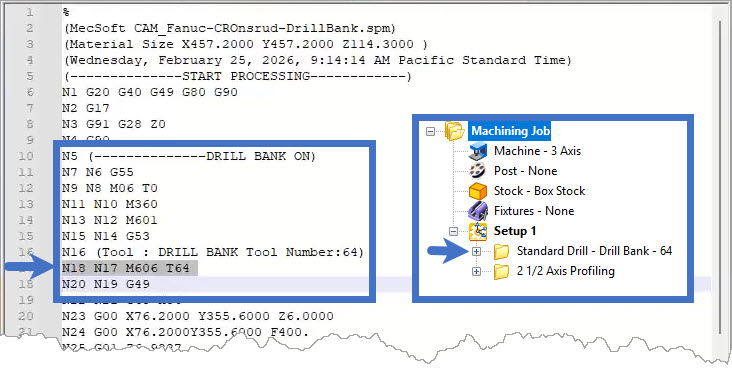
•Drill Banks: The Python post can now use encoded tool numbers to activate specific drills within a bank. When the post detects a tool number above a certain value, it automatically issues the proprietary M-codes (like M606) to fire the correct drill heads.
The G-Code sample below shows the DRILL BANK ON section and the arrow shows the encoded M606 tool number for activating the correct drills on the drill head. Inset right you see the machining Job tree Drill operation being posted.
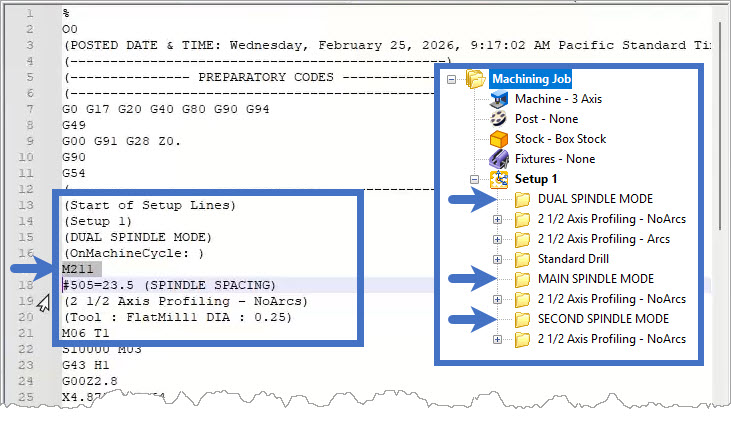
•Dual-Spindle Mode: Using "Machine Control Operations," you can now toggle between Dual Spindle, Main Spindle, or Second Spindle modes. The post handles the M-codes (like M211) and even specifies the spindle spacing required for synchronized cutting.
The illustration below shows a Dual Spindle G-Code sample and inset on the left is the Machining Job Machine Control Cycles controlling the Dual Spindle modes.
Beyond G-Code: Proprietary Language Support
Perhaps the most significant leap is the ability to output non-standard, proprietary formats. Many high-end European woodworking machines and specialized waterjets don't use G-code at all.
Thanks to the Python post's flexibility, we now support:
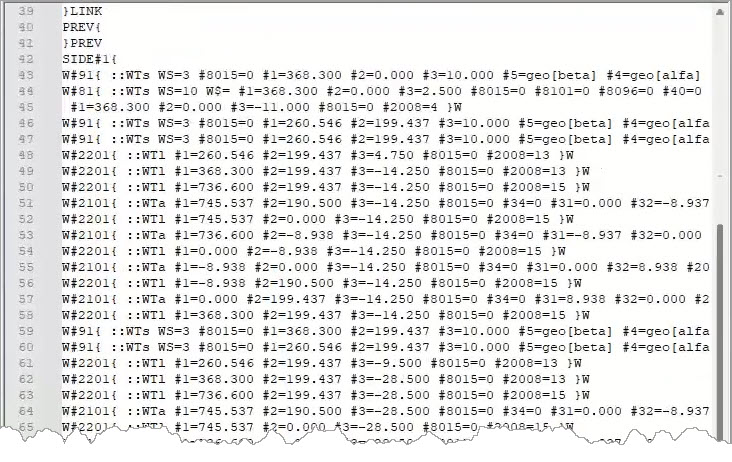
•Holz-Her & WoodFlash: Specialized formats for Austrian and German woodworking centers that use unique "Side 1/Side 2" orientation logic instead of standard coordinates.
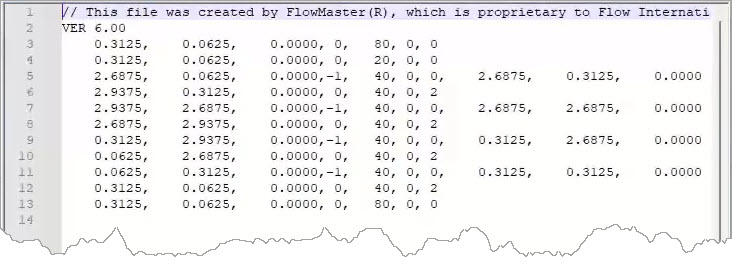
•FlowMaster: Simplified coordinate-only output for specialized waterjet controllers.
As our technical team noted, with the Python programming layer, we are now at a point where we can handle "pretty much anything" when it comes to machine specifications.
Why This Matters for Your Shop
These enhancements mean that your investment in VisualCAD/CAM isn't limited by your machine's controller. Whether you are running an "off-the-shelf" 3-axis mill or a custom 5-axis woodworking cell with dual spindles and a 20-head drill bank, the 2026 release provides a path to full automation.
Key Takeaways for 2026
•Flexibility: Python-driven logic handles non-G-code proprietary formats.
•Specialized Hardware: Native support for Drill Banks and Dual-Spindle machines.
•Advanced 5-Axis: Refined G68.2 support for Fanuc and similar high-end controllers.
•Control: Enhanced "Machine Control Operations" to manage specialized hardware cycles.
If you have a machine with a "unique" language or complex multi-head requirements, the 2026 release is designed specifically for you. Reach out to our support team to see how a custom Python post can revolutionize your workflow.
Watch the full deep-dive into Post-Processor Enhancements here: RhinoCAM & VisualCAD/CAM 2026 Post Enhancements